






5 Standout Sheds Across the Gold Coast
6 Aug 2026 4:00 pm
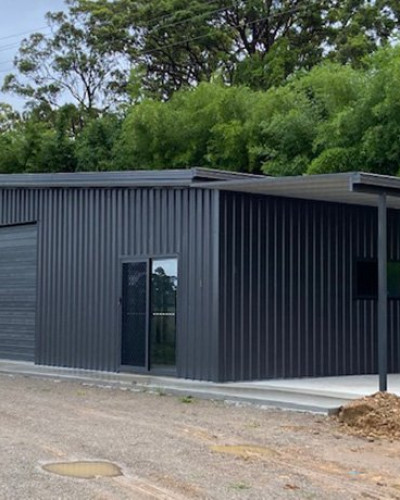
From high-clearance Coomera workshops to multi-purpose community hubs in Nerang, explore how 5 local Gold Coast projects delivered custom solutions tailored to their site demands.
17 Oct 2023 12:00 pm
It is predicted that we are heading into a drier period than usual, with our weather being impacted by El Niño this summer. Regional councils are forecasting water conservation strategies/restrictions in many areas. Combined with rising water prices, tackling water scarcity is a pressing issue. Finding innovative ways to conserve water for Australia's growing population and environmental sustainability is more important than ever.
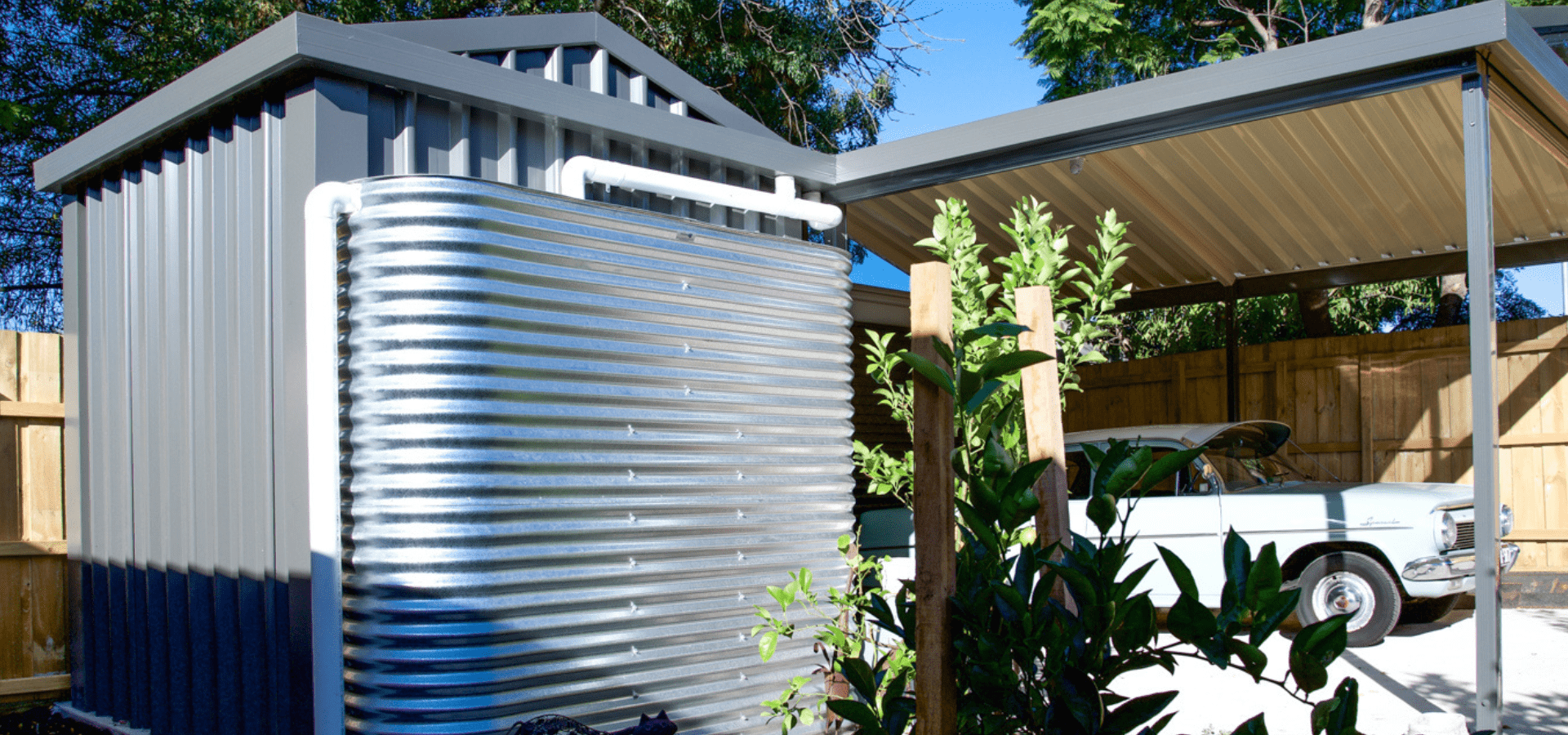
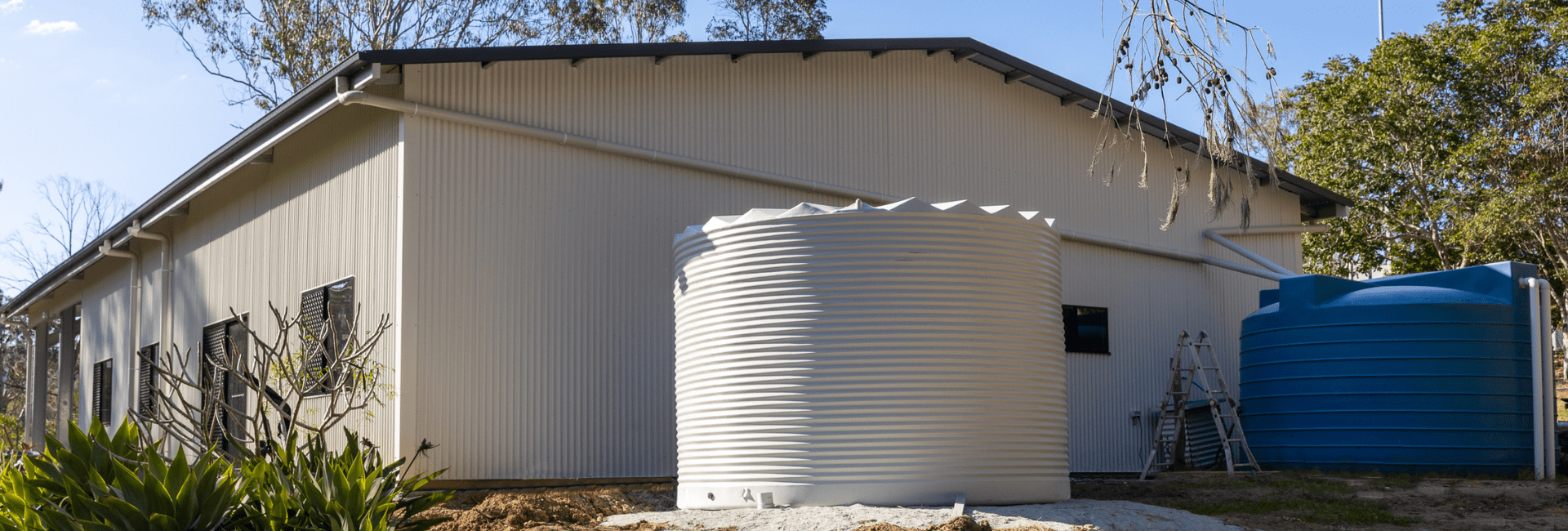
Sheds offer an excellent opportunity for rainwater harvesting. The roof of a shed can serve as a large surface area for collecting rainwater. With the right gutter, downpipe & spout systems, you can efficiently channel and collect rainwater into rain barrels or storage tanks.
Setting up a water recycling system for your shed involves a few key steps. Below are some usage considerations when getting started.
Intended Use:
Clearly define the purpose of collecting rainwater, as this will affect how you set up your rainwater harvesting system. Common uses include irrigation, watering plants, cleaning, and non-potable household tasks. If you are considering using the water for drinking or cooking, proper filtration and treatments are required to ensure it meets health standards.
Roof Material:
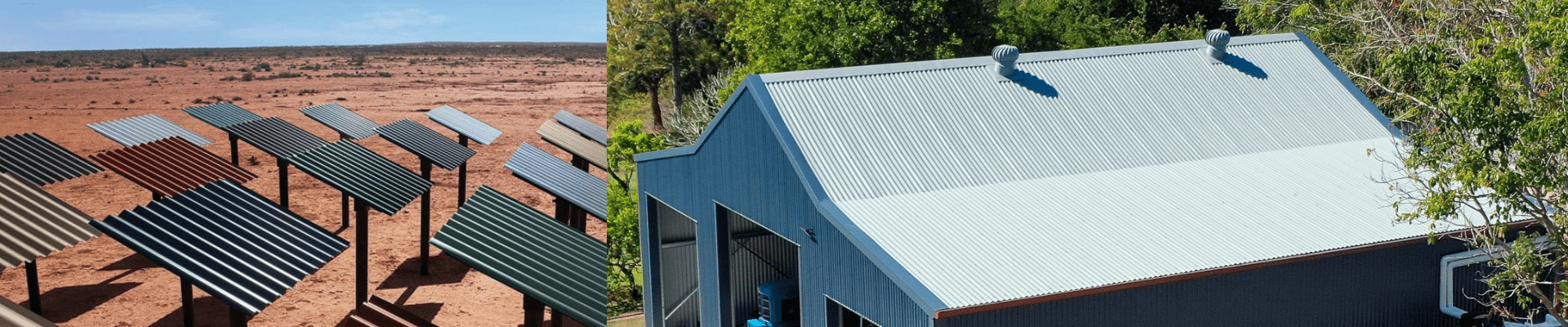
Consider the material of the shed roof. The Shed Company uses COLORBOND® and ZINCALUME® finished sheeting for roofs. These are designed with a smooth, metal surface that maximises water runoff. When it rains, water flows evenly across the surface, reducing wastage and erosion compared to traditional roofing materials. This design feature enhances water catchment efficiency.
Certain roofing materials may introduce contaminants into the collected rainwater. COLORBOND® roofing is free from harmful chemicals or coatings that can leach into the water, making it generally safe for drinking.
Gutter and Downpipe System(s):
Ensure the shed is equipped with an effective gutter and downpipe system to efficiently channel rainwater from the roof to the collection point. Integrating our COLORBOND® roofs with these systems is a seamless process, and The Shed Company can assist in designing your shed to ensure its optimal functionality.
Storage Material:
Choose storage containers made from materials suitable for storing potable or non-potable water. Consider factors such as durability, resistance to sunlight, and the prevention of algae growth.
Pump and Distribution:
If you are using the harvested rainwater for irrigation, consider installing a pump to facilitate distribution. Plan the distribution system, including pipes and outlets, to reach the intended areas.
Treatment (if needed):
Depending on the intended use, consider water treatment options. For non-potable uses, basic filtration may be sufficient. If potable water is a consideration, additional treatment methods such as UV disinfection or chemical treatment may be necessary.
Maintenance Routine:
Establish a regular maintenance routine for the entire rainwater harvesting system. This includes cleaning gutters, filters, and storage containers to ensure the system operates efficiently.
Local Regulations:
Check and comply with local regulations regarding rainwater harvesting. Some areas may have guidelines or restrictions on the collection and use of rainwater.
By carefully considering these factors, you can design and implement an effective rainwater harvesting system from a shed roof that aligns with your specific needs. Reach out to The Shed Company today to discuss your water recycling requirements, and we'll assist you in finding the best shed for your needs. Click below to:
REQUEST A FREE QUOTE or VISIT YOUR LOCAL STORE

Disclaimer: Information is correct as at time of publishing. For the latest information please contact us.
6 Aug 2026 4:00 pm
From high-clearance Coomera workshops to multi-purpose community hubs in Nerang, explore how 5 local Gold Coast projects delivered custom solutions tailored to their site demands.
25 Jun 2026 4:00 pm
Want a striking vertical cladding profile for your new Melbourne shed kit without the financial sting? We break down why Trimclad® is the standout, cost-effective profile local property owners are turning to right now.

8 Jun 2026 4:00 pm
With Perth median house values jumping over 25% annually, many local buyers are looking beyond traditional houses to combat the housing crisis. Discover how Class 1a liveable steel kits are emerging as a cost-effective alternative for primary homes, secondary dwellings, or downsizing.