






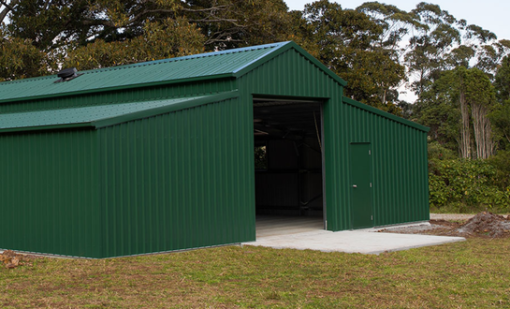
5 Standout Sheds Across the Gold Coast
6 Aug 2026 4:00 pm
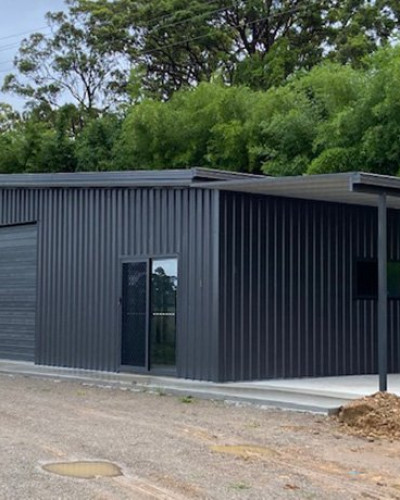
From high-clearance Coomera workshops to multi-purpose community hubs in Nerang, explore how 5 local Gold Coast projects delivered custom solutions tailored to their site demands.
30 Jan 2026 11:00 am
Looking for a new shed but unsure where to place it on your property? It’s a common query, and although a simple question, it can certainly be hard to know where to start and how to find the exact space. Even if you have a rough idea, there may be other factors and considerations you didn’t even realise that may sway your mind to the perfect spot.
Most importantly, your shed size and design should be tailored to your backyard and land. That’s where The Shed Company steps in! We offer friendly support and reliable expertise. We’ve put together this guide so you can learn exactly what to consider when picking the perfect spot for your new shed, whatever style you're in the market for.
When it comes to positioning a new shed on your property, the distance you install it from your house is important. To choose the right spot, our reliable expertise suggests keeping these four key elements in mind for a truly practical solution:
When deciding where your shed will be located, you must first check your local council's boundary setbacks and easements, as these legal requirements dictate exactly how close to the fence your shed can be positioned.
When finalising your location, our reliable expertise encourages you to grab a notepad and survey the area for potential hazards. Avoiding these common mistakes will ensure your shed lasts for years to come:
The ultimate goal of choosing the right location is the peace of mind that none of the above hazards becomes an issue for your new shed. A properly designed shed ensures your property, assets, and those you value are safe and secure. At The Shed Company, we can design a steel structure that is tailored to your own backyard and no one else’s.
Our team and advanced structural design software review the local conditions of your site to ensure your shed is engineered for your unique location. This process provides you with certified plans ready for council submission, ensuring you have reliable expertise and the necessary documentation to begin the approval process with confidence.
The most important thing is to ensure you are putting your shed in a location where it’s safe, long-lasting, and makes you want to use it! If you take the time to follow these planning steps, you will make the most of your new shed for years to come.
Should you have any questions about site-specific engineering or any aspect of shed design, please do not hesitate to speak with our local store team by calling 1800 821 033.
Disclaimer: Information is correct as at time of publishing. For the latest information please contact us.
6 Aug 2026 4:00 pm
From high-clearance Coomera workshops to multi-purpose community hubs in Nerang, explore how 5 local Gold Coast projects delivered custom solutions tailored to their site demands.
25 Jun 2026 4:00 pm
Want a striking vertical cladding profile for your new Melbourne shed kit without the financial sting? We break down why Trimclad® is the standout, cost-effective profile local property owners are turning to right now.

8 Jun 2026 4:00 pm
With Perth median house values jumping over 25% annually, many local buyers are looking beyond traditional houses to combat the housing crisis. Discover how Class 1a liveable steel kits are emerging as a cost-effective alternative for primary homes, secondary dwellings, or downsizing.